Source seismic steel wine barrel rack for warehouse, industrial, and supermarket
Find 30 seismic steel wine barrel rack options with varying mobility and load capacities. Compare fixed and mobile racking solutions designed for warehouse, industrial, and supermarket applications with customizable sizes and surface treatments.
Key considerations
Products List


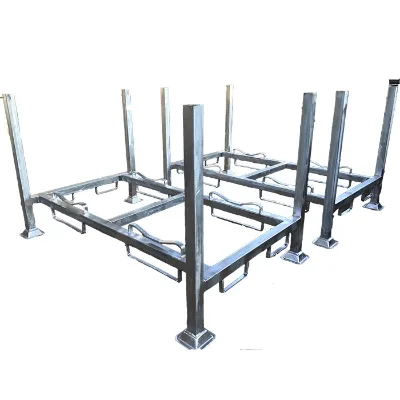
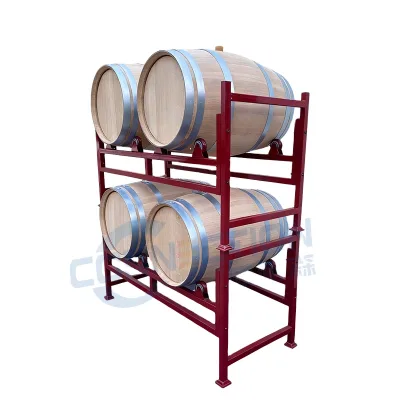




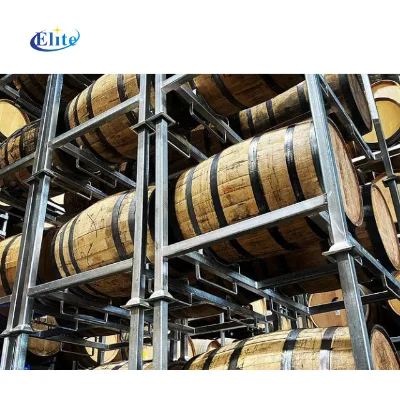




Comprehensive Sourcing Guide
Strategic Sourcing Guide for Seismic Steel Wine Barrel Racks
Understanding the Technical Architecture of Seismic Steel Racking
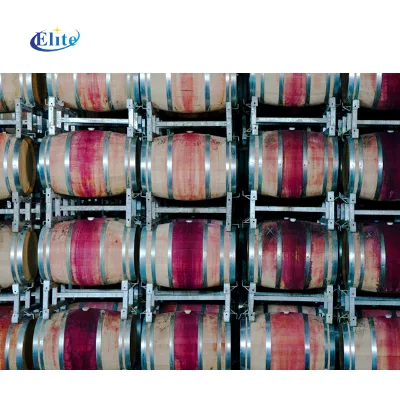
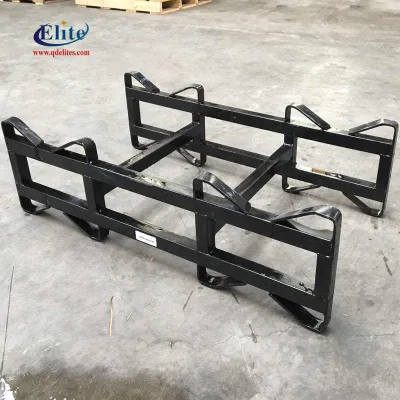
When evaluating seismic steel wine barrel racks, the primary objective is to identify a structural system capable of withstanding dynamic loads while maintaining the integrity of stored liquid assets. The core material for these systems is consistently steel, providing the necessary tensile strength and rigidity required for heavy-duty storage. In the context of seismic activity, the design must account for lateral forces that could otherwise cause rack collapse. The observed product attributes indicate a diverse range of structural configurations, from fixed racks to mobile and combined mobility systems.
The physical dimensions of the rack are critical for seismic compliance. Standard specifications often cite dimensions such as 1130mm in length, with overall sizes potentially reaching up to 5 meters in height. However, for seismic zones, the height-to-width ratio is a vital engineering consideration. The observed data suggests a height range of 0-5 meters, which allows for significant vertical storage but requires careful engineering to prevent toppling during ground motion. The weight of the units themselves varies, with observations ranging from 150kg to 500kg per unit, depending on the specific model and load capacity. This variance indicates that buyers must verify the specific weight of the empty rack against the intended load, as the seismic mass includes both the structure and the wine barrels.
The structural type is predominantly categorized as pallet racking or multi-level racking, with specific models designed for tool racks, industrial use, and supermarket applications. For wine barrel storage, the "stackable" attribute is particularly relevant. The data confirms that certain models offer stackability up to 4-5 units high, which is a crucial feature for maximizing vertical space in warehouses. However, stacking height directly impacts the center of gravity; a higher stack increases the risk of instability during seismic events unless the base is sufficiently reinforced. The surface treatment processes observed include powder coating, zinc plating, and hot-dip galvanizing. These finishes are not merely aesthetic; they provide corrosion resistance, which is essential for wine cellars where humidity levels can fluctuate, potentially compromising the structural integrity of the steel over time.
Compliance Verification and Certification Standards
In the realm of seismic safety, certification is not a suggestion but a mandatory requirement. The supply chain data indicates that products often carry CE certification, which is a fundamental indicator of compliance with European health, safety, and environmental protection standards. For buyers in seismic zones, the CE mark serves as a baseline, but it must be supplemented by specific seismic engineering reports. The observed standards include ISO9001, TUV, BV, and SGS. These are quality management and inspection bodies that validate the manufacturing process, ensuring that the steel used meets specific grade requirements and that the welding and assembly processes are consistent.
When sourcing seismic steel wine barrel racks, buyers must verify that the supplier can provide test results specifically related to seismic loading. While the provided data mentions general certifications, it does not explicitly list seismic-specific test data such as shake table tests or finite element analysis reports. Therefore, the procurement strategy must include a request for these specific documents. The standard dimensions of 1130775453 mm are noted, but these are static measurements. A seismic-compliant rack must demonstrate that these dimensions can withstand lateral acceleration forces without permanent deformation.
The "Standard or Customized" specification attribute highlights a critical path for compliance. Off-the-shelf racks may not meet the specific seismic coefficients required by local building codes in high-risk zones. Buyers should prioritize suppliers who offer OEM support and customization, as this allows for the reinforcement of specific components, such as the base plates or the connection points between levels. The observed models, such as WHH-2510167 and D-FM10060WW-G/L, represent specific configurations, but the buyer must ensure that the specific model selected has been engineered for the seismic zone in which it will be installed. The presence of ISO9001 certification suggests a quality management system, but it does not automatically guarantee seismic performance; this distinction must be clarified during the supplier evaluation phase.
Cost Drivers and Pricing Dynamics in Steel Racking
The pricing for seismic steel wine barrel racks is influenced by a complex interplay of material costs, manufacturing complexity, and logistical factors. The observed price range in the market spans from $2.7 to $169 USD, a wide disparity that reflects differences in scale, material thickness, and functional complexity. The lower end of this range likely corresponds to smaller, lighter-duty units or sample components, while the higher end represents full-scale, heavy-duty pallet racking systems with advanced seismic features.
Material costs are the primary driver. Steel prices fluctuate based on global market conditions, and the choice of steel grade significantly impacts the final price. The data indicates that surface treatments like hot-dip galvanizing are available, which is a more expensive process than standard powder coating but offers superior protection against corrosion. For wine storage, where moisture is a constant threat, the additional cost of galvanization is often justified by the extended lifespan of the rack. The "Product Warranty" of 1 year and a "Shelf Life" of 3 to 5 years against proper handling suggest that higher-priced units may offer longer-term durability, reducing the total cost of ownership.
Logistics and packaging also play a significant role in the final cost. The observed packing method involves plastic banding and stretch film wrapping, which ensures easy loading and protection during transit. The "Loaded in 1*40hq" metric of 378 sets indicates high volumetric efficiency, which can lower the per-unit shipping cost. However, for seismic racks, the weight is a critical factor. With weights ranging from 150kg to 500kg, shipping costs will be higher for heavier units, potentially offsetting the savings from volumetric efficiency. Buyers should calculate the "delivered cost" rather than just the FOB price, as seismic racks often require specialized handling and may incur higher freight charges due to their weight.
The "Price Type" options, including FOB, CIF, and DDU, offer flexibility but also introduce variables. FOB (Free on Board) places the risk and cost on the buyer once the goods leave the port of origin, while CIF (Cost, Insurance, and Freight) includes transport and insurance to the destination port. For seismic racks, which are heavy and potentially hazardous if not secured properly, buyers should carefully evaluate the insurance coverage included in CIF quotes. The "MOQ" (Minimum Order Quantity) ranges from 1 to 500 sets, allowing for flexibility in procurement. However, larger orders often secure better pricing, which can be leveraged to offset the higher unit cost of seismic-compliant designs.
Typical Applications and Operational Environments
Seismic steel wine barrel racks are designed for a variety of environments, but their primary application is in facilities where liquid storage poses a significant risk during ground motion. The observed usage categories include warehouse racks, industrial settings, supermarkets, and specifically, tool racks and beverage storage. For wine producers and distributors, the "Food" and "Beverage" usage tags indicate that these racks are suitable for environments where hygiene and safety are paramount. The "Foldable" and "Collapsible" functions observed in some models suggest versatility for temporary storage or facilities with fluctuating inventory levels.
In industrial settings, the racks must support not only the weight of the barrels but also the dynamic forces generated by the movement of forklifts and other machinery. The "Combined" mobility attribute suggests that some systems can be adapted for both fixed and mobile use, offering a solution for facilities that need to reconfigure their storage layout frequently. The "Stackability" feature allows for high-density storage, which is essential in wine cellars where space is often at a premium. However, the stacking height must be balanced against the seismic risk; higher stacks require more robust base structures to prevent tipping.
The "Color" options, such as blue or customized, are often used for safety coding or brand alignment. In a seismic context, color can also serve a safety function, with bright colors making the racks more visible to operators, reducing the risk of collisions that could compromise the structural integrity of the rack. The "Serviceability" as "Common Use" indicates that these racks are designed for general industrial applications, but the "Customization" availability allows for modifications to meet specific operational needs. For example, a winery might require racks with specific dimensions to fit their unique barrel sizes, which the "Standard or Customized" specification supports.
The "Product Name" "225L Hot galvanized stacking wine barrel rack" points to a specific application for standard wine barrels, which are typically 225 liters in volume. This specific model likely incorporates features designed to cradle the barrel securely, preventing it from rolling or shifting during seismic activity. The "Brand Name" "Connection" suggests a focus on the interlocking nature of the rack components, which is crucial for maintaining stability during ground motion.
Supplier Evaluation and Capability Assessment
Selecting the right supplier for seismic steel wine barrel racks requires a rigorous evaluation of their technical capabilities and manufacturing standards. The observed data indicates that suppliers are located in China, with specific mentions of Dalian as a production origin. This geographic concentration suggests a mature supply chain, but buyers must verify the specific capabilities of individual suppliers. The "Remark" field explicitly mentions "Customized and OEM Support," which is a positive indicator of a supplier's ability to tailor products to specific seismic requirements.
Buyers should prioritize suppliers who can demonstrate a track record of producing seismic-compliant racks. This includes requesting case studies or references from other clients in seismic zones. The "Sample" offering is a valuable tool for evaluation, allowing buyers to inspect the build quality, finish, and assembly of the rack before committing to a large order. The "Product Warranty" of 1 year is a standard offering, but buyers should inquire about the terms of the warranty, specifically whether it covers structural failures due to seismic events.
The "Standard" attribute lists ISO9001, TUV, BV, and SGS, which are reputable certifications. However, buyers must verify that these certifications apply to the specific seismic models they are purchasing. A supplier may have ISO9001 certification for their general manufacturing process but lack the specific engineering expertise for seismic design. The "Model Number" variations, such as HM-BR8382 and HM-BR066, indicate a range of products, and buyers should ensure that the specific model selected has been tested for seismic performance.
The "Loading Capacity" of 100kg per rack is a critical specification. For wine barrels, which can weigh significantly more than 100kg when full, this figure likely refers to the capacity of a single shelf or a specific component. Buyers must clarify the total load capacity of the entire rack system to ensure it can safely support the intended weight of the wine barrels. The "Stackable" attribute of "Yes" and the "Stackability" of "4-5 High" provide guidance on vertical storage, but the total load capacity must be calculated based on the number of levels and the weight of the barrels.
Quality Control and Long-Term Procurement Strategy
Ensuring the long-term reliability of seismic steel wine barrel racks requires a robust quality control (QC) strategy. The observed "Surface Treatment" options, including zinc plating and hot-dip galvanizing, are essential for preventing corrosion, which can weaken the steel over time. Buyers should verify the thickness of the coating and the quality of the galvanization process, as these factors directly impact the lifespan of the rack. The "Product Shelf Life" of up to 3 or 5 years against proper handling suggests that the racks are durable, but this is contingent on the environment in which they are installed.
For long-term procurement, buyers should consider the "Product Warranty" and the availability of spare parts. The "Easy Loading" feature, achieved through plastic banding and stretch film wrapping, reduces the risk of damage during installation, which is a common cause of premature failure. The "Price Type" options, including factory price, offer transparency in cost, but buyers should also consider the total cost of ownership, including maintenance and potential replacement costs.
The "Customization" attribute is a key factor in long-term strategy. As seismic codes evolve or as the facility's needs change, the ability to customize the rack design ensures that the investment remains relevant. The "Remark" field's mention of OEM support is particularly valuable for buyers who need to integrate the racks into a larger, custom-designed facility. The "Model Number" consistency across different specifications suggests that suppliers have a standardized approach to manufacturing, which can simplify the procurement process and ensure consistency in quality.
In conclusion, sourcing seismic steel wine barrel racks requires a comprehensive approach that balances technical specifications, compliance, cost, and supplier capability. By focusing on the observed data and verifying the specific seismic requirements, buyers can ensure that they procure racks that are safe, durable, and suitable for their specific operational needs. The wide range of options available, from fixed to mobile systems, and the availability of customization, provide buyers with the flexibility to design a storage solution that meets the rigorous demands of seismic zones.
FAQs
What certifications do seismic steel wine barrel racks have?
These racks typically carry CE certification and meet ISO9001, TUV, BV, and SGS standards. Buyers should verify specific seismic engineering reports as general certifications do not automatically guarantee seismic performance in all zones.
Can these racks be customized for specific seismic zones?
Yes, customization and OEM support are available for these steel racks. Suppliers can adjust dimensions and reinforce components to meet specific seismic coefficients required by local building codes in high-risk areas.
How much weight can the rack hold per unit?
The loading capacity is specified as 100kg per rack for certain models. The total weight of the unit itself ranges from 150kg to 500kg depending on the specific configuration and material thickness used.
What surface treatments protect the steel from corrosion?
Available finishes include powder coating, zinc plating, and hot-dip galvanizing. These treatments are essential for wine cellars where humidity fluctuates, ensuring the structural integrity of the steel over time.
What is the minimum order quantity for these racks?
The minimum order quantity ranges from 1 to 500 sets depending on the supplier and model. Larger orders often secure better pricing, which helps offset the higher unit cost of seismic-compliant designs.
How high can these racks be stacked safely?
The racks are stackable up to 4-5 units high to maximize vertical space. However, higher stacks increase the center of gravity, requiring careful engineering to prevent instability during seismic events.